
A Parent’s Guide to ADHD and Dysgraphia
Watching your child struggle with both focus and handwriting can be confusing and heartbreaking. You're not alone. The connection between ADHD and dysgraphia is very real and incredibly common, often leaving bright, articulate kids feeling frustrated when faced with a blank page.
The Hidden Link Between ADHD and Dysgraphia
If you’ve ever felt like your child's brilliant ideas get lost somewhere between their brain and their pencil, you're seeing the core conflict of co-occurring ADHD and dysgraphia. It’s so important to understand that this struggle is never about laziness or a lack of effort. It's a complex neurological traffic jam.
To paint a clearer picture, let's use an analogy. Imagine trying to write a detailed, thoughtful letter while someone is constantly shaking your desk.
The 'Shaking Desk' is ADHD: This represents the challenges with executive functions—the brain's management system. It disrupts focus, organization, working memory, and planning, making it hard to even start, let alone complete, a written task.
The 'Faulty Pen' is Dysgraphia: This is the specific learning disability tied to writing. It involves the physical difficulty of forming letters and the mental struggle to organize thoughts into coherent sentences on paper.
When both are happening at once, the shaking desk makes it nearly impossible to control the already faulty pen. This creates a perfect storm of frustration that can cause a child to avoid writing altogether. At Bright Heart Learning, our philosophy of "Connection Before Content" begins right here, with empathizing with this very struggle before we even look at the homework.
Why They So Often Appear Together
The significant overlap between ADHD and dysgraphia isn't a coincidence. While dysgraphia affects between 5% and 20% of all school-aged children, research shows a staggering 59% of children with ADHD also have dysgraphia.
This happens because both conditions tax the same executive functions. Think about it: the mental energy required to manage ADHD's distractions leaves very little left over to handle the mechanical and organizational demands of writing. We've seen this firsthand in over 40,000 sessions, which is why our specialized programs are designed to address these interconnected issues head-on.
The key takeaway here is that both ADHD and dysgraphia stem from neurodevelopmental differences. They need an integrated approach, not to be treated as two separate problems.
Sorting Out the Symptoms: ADHD vs. Dysgraphia
It can be tough to tell where one challenge ends and the other begins. This table is designed to help you quickly spot the differences between symptoms mainly tied to ADHD, those specific to dysgraphia, and the areas where they team up to make things even harder.
| Symptom Area | Primarily ADHD | Primarily Dysgraphia | Common Overlap |
|---|---|---|---|
| Task Initiation | Procrastinates on writing tasks, has trouble getting started. | Avoids writing due to physical discomfort or past failure. | Extreme resistance to starting any written work. |
| Attention | Easily distracted while writing, loses place frequently. | Struggles to focus on the mechanics of writing (spelling, grammar). | Drifts off mid-sentence, forgets what they were writing about. |
| Handwriting | Messy writing due to rushing or impulsivity. | Illegible or inconsistent letter formation, odd pencil grip, slow writing speed. | Handwriting deteriorates quickly as fatigue and frustration set in. |
| Organization | Ideas are disorganized, jumps between topics without transition. | Difficulty translating thoughts into structured sentences and paragraphs. | A "brain dump" of ideas on the page with no logical flow or structure. |
| Memory | Forgets instructions for the assignment. | Has trouble remembering letter shapes, spelling rules, and punctuation. | Struggles to hold a complete sentence in mind long enough to write it down. |
Understanding these distinctions is the first step, but remember, for your child, it all just feels like one big, frustrating experience. That's why a holistic approach is so critical.
Understanding the "Why" Behind the Struggle
It's so common for parents to tell us their child is a great storyteller but freezes when asked to write. This is a classic sign of the ADHD and dysgraphia collision. The child knows exactly what they want to say, but the sheer number of steps involved—planning the sentence, remembering it, forming the letters, and checking for errors—completely overwhelms their system.
The core issue isn't a lack of ideas, but a breakdown in the complex sequence of skills required to get those ideas from mind to paper. This is where targeted support for executive functions becomes critical.
By understanding this fundamental link, you can shift your focus from the messy handwriting to the underlying cause. Building a strong foundation of executive functioning skills is often the first, most powerful step toward unlocking your child's writing potential and creating a more supportive path forward.
Decoding Dysgraphia Beyond Messy Handwriting
When parents hear the word “dysgraphia,” their minds often jump straight to messy handwriting. And while that’s a common sign, it barely scratches the surface. Dysgraphia is a much deeper disconnect—a frustrating barrier between a child's brilliant ideas and their ability to get them down on paper.
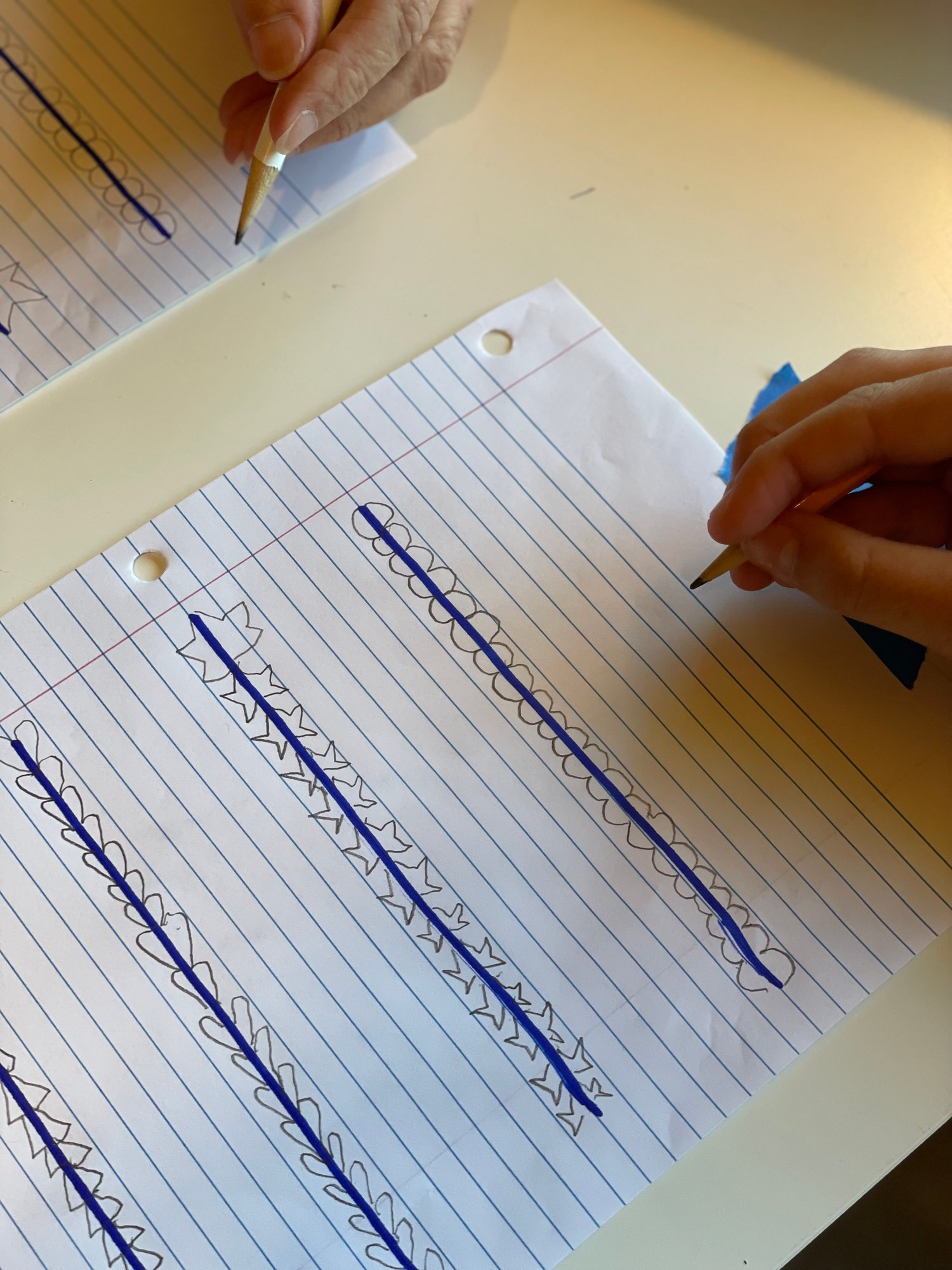
Imagine your child telling you a fantastic story, full of detail and excitement. But when they pick up a pencil to write it down, the magic vanishes, replaced by a slow, agonizing struggle. This isn’t just about neatness; it's the entire act of writing that feels broken.
This struggle is far more common than most people realize, though the numbers vary. Research shows that anywhere from 5% to 33% of students face significant writing challenges. For kids in 4th and 5th grade, some studies suggest that number could be as high as 34%. While some outgrow these difficulties, for 7-15% of students, the problem persists, turning every essay and note-taking session into a major academic battle.
The Different Faces of Dysgraphia
Dysgraphia isn't a single, uniform condition. It shows up in different ways, and pinpointing the specific struggle is the first step toward finding the right support. Let's look at two of the most common forms.
Motor Dysgraphia
This is all about the physical act of writing—when the hand just can't seem to follow the brain's instructions.
Think of it like trying to draw a perfect circle with a wobbly, unpredictable tool. The brain knows exactly what it wants to do, but the physical follow-through is exhausting and feels flawed. A child with motor dysgraphia often will:
Hold their pencil in a cramped, awkward grip.
Complain that their hand hurts or gets tired almost immediately.
Write incredibly slowly, laboring over each individual letter.
Have messy, inconsistent letter sizing and spacing, even when they know how to spell the words.
Linguistic Dysgraphia
This type is less about the mechanics of handwriting and more about translating thoughts into written language. A child with linguistic dysgraphia can be a fantastic storyteller when speaking, but putting those same ideas on paper is another story entirely.
The breakdown here happens when converting spoken language into written form. Their mind is overflowing with ideas, but they feel trapped, unable to organize them into a clear, coherent narrative on the page. You’ll often see a child who:
Struggles to build grammatically correct sentences in their writing.
Has trouble organizing thoughts into logical paragraphs.
Can’t seem to find the right words to express their ideas, a challenge often called "word-finding" difficulty.
Many of these organizational struggles overlap with other challenges, like the ones you can read about in our guide on visual processing disorder symptoms.
A Day in the Life with Dysgraphia
Picture a typical school day for a child with dysgraphia. The morning bell rings, and the teacher starts a lesson, asking students to copy notes from the board. Right away, the child falls behind, struggling to look up, read the board, look down, and form the letters. They might only capture a few words.
Later, there’s a pop quiz. The child knows the answers—they were paying attention!—but they can’t get them written down fast enough. Their paper is filled with half-finished sentences and messy words that a teacher might mistake for a lack of understanding.
By the time they get home, they are mentally and physically exhausted. Staring at a homework worksheet feels like being asked to climb a mountain after running a marathon.
This daily cycle of struggle does more than just hurt grades; it eats away at a child’s self-worth. They start to believe they are “bad at school” or “not smart,” when the truth is they just need a different set of tools to show the world how brilliant they truly are.
How ADHD Complicates the Writing Process
For a child with ADHD, the path from a great idea to a finished sentence isn't a straight line. It’s more like a tangled maze where brilliant thoughts can get stuck, rerouted, or lost entirely. The very things that define ADHD—inattention, impulsivity, and executive function struggles—don't just make it hard to sit still. They throw roadblocks up at every stage of the writing process.
It’s so important to know this isn't about a lack of creativity or intelligence. It's a disconnect between the brain's "idea factory" and its "assembly line." This is where the challenges of ADHD and dysgraphia often collide, creating a wall of frustration for students and parents alike.
The Brain with Too Many Tabs Open
Have you ever tried to write an important email while your phone is buzzing, music is playing, and someone is asking you a question? That’s what it can feel like inside an ADHD brain, all the time. It’s like a computer with dozens of tabs open, all demanding attention at once.
This constant stream of internal and external noise makes it incredibly hard to focus on a single, quiet task like forming a sentence. A thought about the perfect story starter can be instantly knocked away by a bird outside the window or a sudden memory from last weekend’s soccer game.
For a child with ADHD, the challenge is not generating ideas, but holding onto one long enough to get it down on paper amidst a sea of competing mental noise.
This is why a child might stare at a blank page, not because they have nothing to say, but because their brain can't turn down the volume on everything else. The mental energy it takes just to stay on task is massive, often leading to burnout before a single paragraph is written. Understanding this internal battle is the first step to figuring out how to focus better when studying.
When the Brain's CEO Is Overwhelmed
Writing is one of the most demanding tasks for our brain’s “CEO”—our executive functions. It requires a whole symphony of skills to work in harmony: planning, organizing, sequencing, and checking our own work. In a brain affected by ADHD, that symphony often sounds more like an orchestra tuning up without a conductor.
Working Memory Overload
Working memory is the brain’s mental sticky note. It’s what lets us hold a piece of information—like a great opening sentence—in our mind while we work on the next part, like spelling a tricky word. ADHD puts a major strain on this skill.
A child might think of a brilliant idea, but by the time they find their pencil, the thought has vanished.
They often struggle to remember the teacher's multi-step directions for an assignment.
Juggling grammar rules, punctuation, and spelling while also trying to be creative is usually just too much to handle at once.
Planning and Organization Failures
Trying to outline an essay is nearly impossible when your planning skills are weak. A child with ADHD may simply "data dump" everything they know onto the page in a jumbled mess. There’s no introduction, no flow, and no conclusion, because their brain struggles to see the big picture and break it down into smaller, logical steps.
It's helpful to see how these organizational struggles can show up in other areas, like with ADHD and reading challenges, where keeping track of characters and plot points can be just as difficult.
This breakdown in core mental processes is exactly why our executive function coaching at Bright Heart Learning is so transformative. We don’t just help with tonight’s homework; we teach students how to build the internal organizational systems they need to manage the writing process from start to finish.
Strategies That Work: Support for School and Home
Now that you have a clearer picture of what ADHD and dysgraphia look like together, let's talk about what we can actually do. It's time to shift from understanding the challenge to taking meaningful action with practical strategies for the classroom and at home.
The goal isn't to "fix" your child—because they aren't broken. It’s about building bridges over the rough spots so their brilliant ideas can shine through, without being held back by the mechanics of writing. For so many kids, the right mix of school accommodations and new routines at home can change everything.
In the Classroom: Shifting the Focus from Pen to Brain
The classroom can feel like a minefield for a student juggling both ADHD and dysgraphia. But by advocating for the right support, you can help transform their school day from a constant struggle into a time of real learning and connection.
The first step is having an open, collaborative conversation with your child's teacher. These supports aren’t about giving an unfair advantage; they’re about leveling the playing field so your child can truly participate.
Provide Guided Notes: Instead of asking a child to copy pages of notes from the board, the teacher can provide a pre-printed outline. This simple change allows your child to focus on listening and understanding the lesson, not just on the exhausting act of writing.
Embrace Technology: Typing is often much faster and less physically draining than handwriting. Allowing a laptop or tablet for assignments can be a game-changer. Speech-to-text software is another incredible tool, turning your child’s spoken words directly into text.
Offer Extended Time: Writing is a marathon for these kids, both physically and mentally. Extra time on tests and assignments acknowledges this effort, giving them a fair shot to show what they know without being penalized for speed.
The most effective classroom accommodations reduce the physical act of writing so the student's cognitive energy can be spent on learning, thinking, and creating. It shifts the focus from the pen to the brain.
For families here in Kitsap County who are looking for more personalized academic support, our local tutoring center offers in-person assessments and hands-on strategies. We're ready to help you build a plan for success. You can find our Poulsbo center and get directions here.
At Home: Creating a Supportive Homework Space
Homework can be a nightly battle, leaving everyone in the family feeling stressed and defeated. By shifting your approach, you can reduce the friction and help your child feel more capable and confident. The secret is to prioritize their ideas and effort, not perfection.
These home-based strategies break down overwhelming tasks into manageable pieces and celebrate progress along the way. To create even more structure, consider implementing some powerful ADHD time management strategies that can help build predictable, effective routines.
Simple Tips for Saner Homework Sessions
Use Graphic Organizers: Before your child even starts writing, use a mind map or a simple web diagram to get their ideas out visually. This helps organize thoughts without the immediate pressure of forming perfect sentences.
Break It Down: A long writing assignment can feel impossible. Instead of one marathon session, try breaking the work into short, 15-minute bursts with brief breaks in between. This helps prevent burnout and keeps focus sharp.
Focus on Content, Not Neatness: Give your child permission for the first draft to be messy. The main goal is just getting their thoughts down on paper. You can always go back later to edit for spelling or clarity, maybe by having them type up the final version.
Building Your Child's Support Team
The Academic Partner Who Puts It All Together
This is where parents often ask, "Now what?" You have the reports and the recommendations, but who is going to sit with your child and help them apply these strategies to their actual history essay or math worksheet?
At Bright Heart Learning, we see ourselves as the essential bridge between clinical diagnosis and daily academic success. We take the "why" from the psychologist and the "how" from the OT and integrate it into a practical, step-by-step plan for learning.
Our role is to translate all that expert advice into real-world results. We don’t just tutor a subject; we build the underlying skills that were making that subject so hard in the first place. For a student with ADHD and dysgraphia, that means weaving multiple supports into one cohesive program.
Specialized Tutoring: Our tutors get it. They know a writing assignment is about more than just spelling and grammar. They use tools to bypass the writing logjam—like voice-to-text for brainstorming or graphic organizers for structuring ideas—so your child’s brilliant thoughts don't get stuck on the way to the page.
Executive Function Coaching: This is the heart of what we do. We teach the organizational skills to plan a project, the focus to see it through, and the working memory strategies to hold onto an idea long enough to write it down.
Integrated Strategies: We act as the central hub for your child's team. If an OT recommends a specific pencil grip, we reinforce it during our sessions. If a psychologist’s report points to a weakness in processing speed, we adapt our pacing and teaching methods to match.
By connecting all the dots, we help your child move from frustration to confidence. We help them build durable skills that will serve them in every classroom and for the rest of their life. To see how we create these effective, individualized roadmaps for students, you can learn more about our approach at Bright Heart Learning.
Turning Concern Into Confident Action
You've just absorbed a lot of information about the frustrating link between ADHD and dysgraphia. You can now spot the signs that go far beyond just messy handwriting and see how to build a circle of support. It’s completely normal to feel a mix of emotions right now—relief at finally understanding the why, but also a wave of anxiety about what comes next.
The good news? You can channel that concern into confident, powerful action, starting today.
The path to supporting your child isn’t about finding a magic wand. It’s about creating a clear, personalized roadmap for their success, one step at a time. This is how you become your child’s best advocate, armed with the knowledge and tools to help them not just cope, but truly thrive.
Your First Steps: A Simple Action Plan
Navigating school systems and specialists can feel overwhelming, so let’s start with what you can control right now. This simple checklist will help you transform that feeling of worry into a focused plan.
Become a Detective: Document Everything. Grab a notebook or start a note on your phone. Jot down specific, real-world examples of the struggles you see. Things like, "Complained his hand hurt after just five minutes of writing," or, "He knew the whole story for his book report but couldn't get a single paragraph on the page."
Gather the Evidence. Collect a few work samples that tell the story. This could be a crumpled homework sheet, a test with answers you can’t read, or even a side-by-side comparison of their amazing spoken stories versus their brief, sparse writing. This physical proof is incredibly powerful.
Team Up with the Teacher. Request a meeting with your child's teacher and maybe the school counselor. Approach it as a partnership, not a confrontation. You could say, "I've been noticing [child's name] is really struggling with writing, and I'd love to work together to figure out how we can best support them."
Taking the Next Step with a Specialist
Once you have your observations and have connected with the school, the next logical move is to get a professional opinion. A formal assessment provides the clarity needed to secure the right interventions and accommodations for your child.
Turning parental concern into confident action is about taking that first step. You don’t have to have all the answers—you just need to know who to ask.
Booking a consultation with a specialist, like an educational psychologist or a specialized learning center, is that crucial next step. A comprehensive assessment can officially diagnose or rule out dysgraphia and other learning differences, giving you a definitive path forward. This isn’t just about getting a label; it’s about becoming your child’s champion.
At Bright Heart Learning, this is exactly what we do. We are your partners in this journey, specializing in turning diagnoses into daily success stories. If you’re ready to move from worry to confident action, contact Bright Heart Learning today. We’ll create a personalized assessment and a clear plan to help your child rediscover their brilliance.
Your Questions, Answered
As you start connecting the dots between ADHD and dysgraphia, it’s completely normal for a new set of questions to surface. Moving from awareness to action can feel overwhelming, but you're not alone. We’ve gathered some of the most common questions we hear from parents just like you, with clear, straightforward answers.
Can My Child Have Dysgraphia Without ADHD?
Yes, absolutely. A child can have dysgraphia all on its own. It’s a specific learning disability that directly impacts the ability to write, so a child might have incredibly messy handwriting, struggle with spelling, or find it impossible to organize their thoughts on paper, all without any signs of ADHD.
That said, the two often go hand-in-hand. This is because both conditions put a huge strain on executive functions—the brain’s management system for things like working memory, planning, and organization. So, if you’re seeing writing struggles, it's always a good idea to look into a dysgraphia assessment, whether or not ADHD is already part of the picture.
Will a Tablet or Computer Just Fix Dysgraphia?
Technology can be a total game-changer, but it’s an accommodation, not a cure. Tools like speech-to-text, spell checkers, and keyboards can feel like a miracle. They lift the immense physical and mental weight of writing, finally allowing your child’s brilliant ideas to get out.
Think of technology as a bridge that helps your child get over a roadblock. It's an essential tool for their journey, but the roadblock—the underlying challenge with motor skills or language processing—is still there.
The best approach uses technology as a powerful support while also working on the root issues. This means pairing it with targeted interventions like specialized tutoring, occupational therapy, and executive function coaching to build those underlying skills for the long haul.
How Do I Ask the School for Help and Accommodations?
The best way to approach the school is as a collaborative partner. Your goal is to work together to help your child succeed. Start by requesting a meeting with the key players: your child's teacher, the school counselor, and the special education coordinator.
Come to the meeting prepared. Bring a folder with:
Work samples that clearly show the struggle.
Your own notes describing what you see at home (e.g., how long homework takes, hand cramps, frustration).
A formal diagnosis from an educational psychologist, if you have one. This is incredibly powerful.
When you talk, frame it as a quest to help your child access their education. Suggest specific, practical accommodations like getting copies of class notes, using a keyboard for assignments, or having extra time on written tests.
Should We Focus on Keyboarding or Cursive?
For a child with both ADHD and dysgraphia, the answer is usually both, but each serves a different purpose.
Think of keyboarding as the essential accommodation. It's the tool that allows them to keep up with their peers, complete their assignments, and show what they know without the physical act of handwriting getting in the way. It frees up precious mental energy so they can focus on the content of their work, not just the mechanics.
At the same time, continuing to work on handwriting through occupational therapy or targeted practice can still be valuable. The goal may not be perfect cursive, but improving legibility for everyday tasks like writing a birthday card or filling out a form. It's all about finding the right balance for your child's unique needs and age.
At Bright Heart Learning, we're here to help you find that balance and create a plan that turns your concerns into confident action. If you're ready to see your child thrive, explore our personalized tutoring and assessment options today.